 Reviews



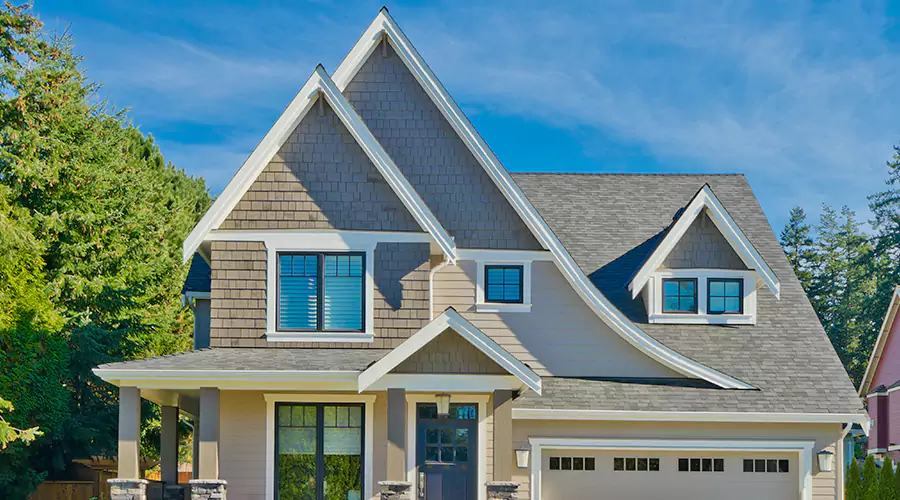
A cool roof is a roofing system designed to reflect more sunlight and absorb less heat compared to a standard roof. In hot climates, traditional roofs can become extremely hot during the day, transferring heat into the home and increasing indoor temperatures. A cool roof helps reduce this heat absorption, which can improve indoor comfort and reduce energy usage.
Homeowners are increasingly interested in cool roofing systems because of rising energy costs and the need for better energy efficiency and roof restoration. Understanding how a cool roof works and whether it can lower energy bills can help you decide if it is a good investment for your home.
What Is a Cool Roof?
A cool roof is designed using materials that reflect sunlight and emit heat more efficiently than standard roofing materials.
Cool roofs are made using:
- Highly reflective shingles
- Light colored roofing materials
- Reflective coatings
- Special roofing membranes
- Metal roofing with reflective finishes
The main goal is to reduce heat absorption from the sun.
How a Cool Roof Works?
A cool roof works by improving two key properties:
Solar Reflectance
Solar reflectance refers to how much sunlight a roof reflects away from the surface.
Higher reflectance means:
- Less heat absorption
- Cooler roof surface
- Reduced heat transfer into the home
Thermal Emittance
Thermal emittance refers to how quickly a roof releases absorbed heat.
A roof with high thermal emittance:
- Cools down faster at night
- Reduces heat buildup in the attic
- Improves indoor temperature control
Together, these properties help reduce overall heat gain in the home.
Types of Cool Roofing Materials
There are several types of roofing systems that can be considered cool roofs.
Cool Asphalt Shingles
These shingles are designed with reflective granules that reduce heat absorption.
Metal Roofing
Metal roofs naturally reflect sunlight and can also be coated with reflective finishes for better performance.
Tile Roofing
Clay and concrete tiles can be manufactured in lighter colors to reflect more sunlight.
Reflective Roof Coatings
These coatings are applied to existing roofs to improve solar reflectance.
Single Ply Membranes
Common on flat roofs, these materials are often light colored and highly reflective.
Does a Cool Roof Lower Energy Bills?
Yes, a cool roof can help reduce energy bills, especially in warm and sunny climates.
By reducing heat absorption, a cool roof helps lower the amount of work your air conditioning system needs to do.
How a Cool Roof Reduces Energy Costs?
A cool roof can lower energy usage in several ways.
Reduced Indoor Heat
Less heat enters the home, which helps maintain cooler indoor temperatures.
Lower Air Conditioning Usage
When indoor temperatures stay cooler, air conditioning systems run less frequently.
Improved HVAC Efficiency
Reduced heat load allows HVAC systems to operate more efficiently and experience less strain.
Lower Peak Energy Demand
Cool roofs can reduce energy consumption during the hottest part of the day when electricity rates are often higher.
How Much Can You Save With a Cool Roof?
Energy savings depend on several factors, including climate, roof type, insulation, and home design.
On average, homeowners in hot climates may see:
- 10 percent to 30 percent reduction in cooling costs
- Lower attic temperatures by up to 30 to 50 degrees Fahrenheit in some cases
Homes in cooler climates may see smaller savings.
Benefits of a Cool Roof
Cool roofs offer several advantages beyond energy savings.
Improved Indoor Comfort
Cool roofs help maintain more consistent indoor temperatures during hot weather.
Longer Roof Lifespan
Reduced heat exposure can slow down material deterioration.
Environmental Benefits
Cool roofs help reduce urban heat island effects in cities.
Lower HVAC Wear and Tear
Reduced cooling demand can extend the life of air conditioning systems.
Better Attic Conditions
Lower attic temperatures help protect insulation and wooden structures.
Potential Drawbacks of Cool Roofs
While cool roofs offer many benefits, there are some considerations.
Higher Initial Cost
Some cool roofing materials may cost more upfront than standard shingles.
Climate Dependence
Cool roofs are most effective in warm climates. In colder regions, energy savings may be lower.
Winter Heating Trade Off
In some climates, reduced heat absorption in winter may slightly increase heating needs.
Cool Roof vs Traditional Roof
Understanding the differences can help homeowners choose the right option.
Traditional Roof
- Absorbs more heat
- Increases attic temperature
- Higher cooling costs in summer
- More heat transfer into the home
Cool Roof
- Reflects more sunlight
- Reduces attic heat buildup
- Improves energy efficiency
- Helps lower cooling costs
Where Cool Roofs Work Best?
Cool roofs are most effective in regions with:
- Hot summers
- Strong sunlight exposure
- Long cooling seasons
They are commonly used in:
- Residential homes
- Commercial buildings
- Industrial facilities
How to Know If Your Roof Can Be Upgraded?
Not all roofs need full replacement to become more energy efficient.
A roofing professional may recommend:
- Reflective coatings
- Cool shingle upgrades
- Improved ventilation systems
- Roof replacement with cool materials
A roof inspection can help determine the best option.
Importance of Proper Roof Ventilation With Cool Roofs
Even with a cool roof, ventilation is still important.
Proper ventilation helps:
- Remove trapped heat
- Reduce moisture buildup
- Improve energy efficiency
- Protect roofing materials
Cool roofing and ventilation work best together.
Tips to Improve Roof Energy Efficiency
Homeowners can take additional steps to reduce energy usage.
Add Attic Insulation
Proper insulation helps prevent heat transfer into living spaces.
Seal Air Leaks
Closing gaps in the attic helps improve cooling efficiency.
Maintain Your Roof
Regular inspections help identify damage or inefficiencies.
Clean and Maintain Vents
Clear vents help improve airflow and temperature regulation.
Final Thoughts
A cool roof is a smart roofing option designed to reflect sunlight, reduce heat absorption, and improve energy efficiency. By lowering attic temperatures and reducing strain on cooling systems, cool roofs can help homeowners save on energy bills, especially in warm climates.
While the exact savings vary depending on location and home design, many homeowners benefit from improved comfort, reduced cooling costs, and longer roof lifespan.